
Cold air intakes help Denver drivers recover up to 20 HP lost to high altitude. Learn how this upgrade improves throttle response and fuel economy at elevation.
Why Cold Air Intakes Are Worth It for Denver Drivers
If you’ve ever felt your truck or SUV struggling on I-70 heading into the mountains, you’re not imagining things. Denver’s high altitude makes engines work harder than they would at sea level, and that sluggish feeling when you hit the gas? It’s a real problem for drivers across Centennial, Aurora, Englewood, Lone Tree, and the greater Denver metro area.
Here’s the good news: a cold air intake is one of the most effective upgrades you can make to fight back against thin air. At Jazz It Up Truck & Auto Accessories, we’ve helped countless local drivers get more power and better throttle response from their vehicles with this relatively simple modification. Let’s break down why cold air intakes make such a difference for Colorado drivers and whether one might be right for your ride.
Key Takeaways
- Denver’s 5,280-foot elevation causes naturally aspirated engines to lose roughly 15% of their horsepower, making cold air intakes especially valuable for local drivers.
- A cold air intake replaces restrictive factory components with a high-flow system that delivers cooler, denser air—boosting airflow by up to 50%.
- Drivers can expect 15-25 additional horsepower, improved throttle response, and modest fuel economy gains after installing a quality cold air intake.
- Choose a CARB-approved cold air intake to stay compliant with Colorado’s emissions standards and avoid testing issues.
- Regular filter inspections are essential in Colorado’s dry, dusty climate—plan to check and clean your filter at every oil change.
- Professional installation ensures proper sealing and positioning, maximizing the performance benefits of your cold air intake upgrade.
How Denver’s High Altitude Affects Engine Performance
Denver sits at 5,280 feet above sea level, which sounds pretty cool until you realize what that means for your engine. At this elevation, atmospheric pressure drops to around 12.4 psia compared to 14.5 psia at sea level. That might seem like a minor difference on paper, but your engine feels it every time you press the accelerator.
The basic problem comes down to oxygen. Engines need oxygen for combustion, and thinner air means less oxygen per cubic foot entering your intake. The general rule of thumb is that naturally aspirated engines lose about 3% of their horsepower for every 1,000 feet of elevation gain. So by the time you’re driving around Centennial or heading up toward the foothills, your engine is already operating at a disadvantage.
You’ll notice this most when:
- Accelerating to merge onto the highway
- Climbing steep grades or mountain passes
- Towing trailers or hauling heavy loads
- Trying to pass slower vehicles on two-lane roads
The combination of reduced oxygen density and thinner air creates challenging conditions for standard fuel combustion. Your engine’s computer tries to compensate, but there’s only so much it can do with the factory intake system feeding it limited airflow.
What a Cold Air Intake Does for Your Vehicle
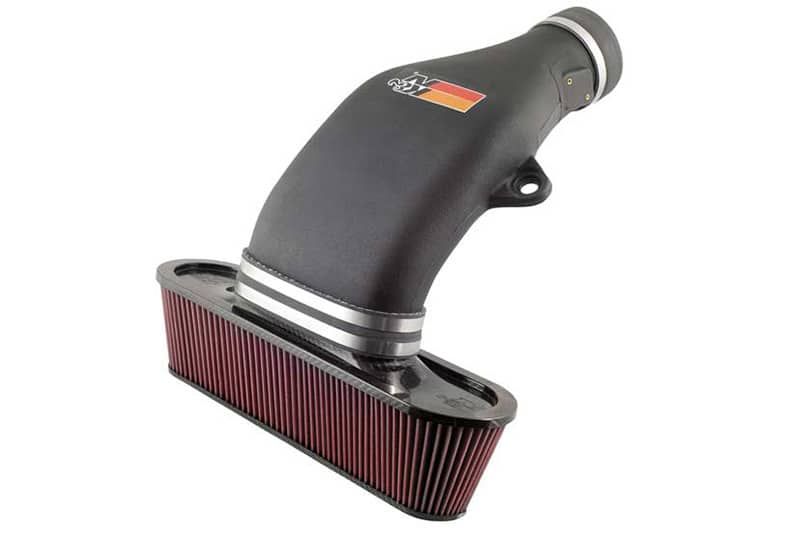
A cold air intake replaces your vehicle’s restrictive factory air box and intake tube with a higher-flow system designed to maximize the amount of air reaching your engine. But it’s not just about more air. It’s about cooler, denser air delivered more efficiently.
Factory intake systems are designed with cost and noise reduction in mind. They use corrugated tubes and restrictive air boxes that create turbulence and slow down airflow. Cold air intakes use smooth, wider tubes that reduce air swirls and deliver consistent airflow directly to your throttle body.
The “cold” part of cold air intake matters too. These systems typically relocate the air filter away from engine heat, often positioning it lower in the engine bay or behind a heat shield. Cooler air is denser, which means more oxygen molecules per breath your engine takes. Some quality cold air intake systems can increase airflow by as much as 50% compared to stock filters.
Improved Airflow and Combustion Efficiency
When your engine gets a steady supply of cool, dense air without turbulence or restriction, combustion improves across the board. The fuel-to-air mixture burns more completely, which translates to better throttle response and more usable power throughout your RPM range.
This isn’t just theoretical. Drivers notice the difference immediately after installation. That hesitation when you floor it from a stoplight? Gone. The lag when you’re trying to accelerate up a hill? Reduced significantly. Your engine isn’t suddenly making magic power out of nowhere. It’s just finally getting the air it needs to do its job properly.
For Denver drivers dealing with already-thin air, optimizing how efficiently that air reaches the combustion chamber makes an even bigger difference than it would at lower elevations.
Benefits of Cold Air Intakes at High Elevation
So what kind of real-world improvements can you expect from a cold air intake in the Denver area? Let’s talk numbers and practical benefits.
Horsepower and Torque Gains in Thin Air
Quality cold air intakes typically deliver 15-25 additional horsepower and noticeable torque improvements compared to factory systems. Real-world testing has shown measurable improvements in the 40-60 mph range, which is exactly where you need it most for highway passing and merging.
Now, we should be honest here. High altitude does reduce your total power gains somewhat because there’s simply less oxygen available no matter how efficiently you deliver it. But the improvement is still significant and noticeable. You’re maximizing what your engine can do with the air that’s available, rather than letting restrictive factory components hold you back even further.
Drivers in Aurora and Lone Tree who regularly commute on E-470 or head into the mountains on weekends notice the difference most. That extra punch when you need to pass a slow-moving RV or merge into fast-moving traffic makes driving feel more confident and less stressful.
Better Fuel Economy for Mountain Driving
Here’s something that surprises a lot of people: a cold air intake can actually improve your fuel economy. It seems counterintuitive since more air usually means more fuel consumption, but here’s what’s actually happening.
When your engine struggles to breathe through a restrictive factory intake, it has to work harder to produce the same power output. That inefficiency shows up at the gas pump. With a cold air intake, your engine operates more efficiently at partial throttle, which is where you spend most of your driving time.
Some Denver drivers report modest gains of around 1 MPG during mixed driving conditions. That might not sound like much, but it adds up over time, especially if you’re putting serious miles on your vehicle. The denser, cooler air allows your engine to produce the power you need without working as hard to get there.
Choosing the Right Cold Air Intake for Colorado Conditions
Not all cold air intakes are created equal, and choosing the right one for Colorado driving requires some thought about your specific situation.
First, make sure you’re selecting a California-compliant (CARB-approved) cold air intake for your Colorado vehicle. Colorado follows California emissions standards, and a non-compliant intake could cause problems during emissions testing. Reputable manufacturers clearly mark which of their products meet these requirements.
Your driving environment matters too. If you frequently take your truck or SUV on dusty mountain roads, forest service trails, or unpaved back roads, you’ll want to consider filtration quality carefully. Some aftermarket filters prioritize maximum airflow over filtration, which can allow fine dust particles into your engine over time. For these conditions, look for intakes with high-quality, washable filters that balance performance with protection.
For drivers in Englewood, Centennial, or other metro areas who primarily stick to paved roads and highways, most quality cold air intake systems offer excellent performance advantages without filtration concerns. The key is matching the product to how you actually use your vehicle.
At Jazz It Up Truck & Auto Accessories, we carry cold air intakes from trusted manufacturers and can help you select the right system for your specific vehicle and driving habits. We’ve seen what works and what doesn’t in Colorado conditions, and that experience helps our customers avoid expensive mistakes.
Installation and Maintenance Tips
One of the nice things about cold air intakes is that they’re relatively straightforward to install. Most quality systems can be installed within 90 minutes using basic hand tools. You’re typically removing the factory air box and intake tube, then bolting in the new system with the included hardware.
That said, there are some important details that matter for long-term reliability:
- Seal everything properly. Any air leaks between the filter and throttle body will introduce unfiltered air into your engine. Double-check all clamps and connections.
- Route the intake away from heat sources. The whole point is delivering cool air, so make sure your new intake isn’t sitting right next to exhaust components or other hot engine parts.
- Secure all components firmly. Vibration can loosen clamps over time, so use quality clamps and check them periodically.
Maintenance is simple but important, especially at altitude. Colorado’s dry climate and dusty conditions can clog filters faster than you’d see in more humid environments. Plan to inspect your filter every oil change and clean or replace it as needed. Most quality filters are washable and reusable, which saves money over time.
If you’re not comfortable doing the installation yourself, or you just want the peace of mind that comes with professional work, our expert technicians at Jazz It Up handle cold air intake installations regularly. We make sure everything is sealed properly, positioned correctly, and working as intended before you leave.
Conclusion
For Denver-area drivers dealing with altitude-related power loss, a cold air intake is one of the smartest performance upgrades you can make. You’re looking at documented gains of 5-20 horsepower depending on your vehicle, improved throttle response, and potentially better fuel economy. All from a modification that takes a couple hours to install and requires minimal ongoing maintenance.
Whether you’re commuting through Aurora, hauling gear up to the mountains from Lone Tree, or just want your truck to feel more responsive around town, a cold air intake addresses the specific challenges that come with driving at elevation.
Ready to get more out of your vehicle? Stop by Jazz It Up Truck & Auto Accessories in Denver and talk to our team about cold air intake options for your specific truck or SUV. We’ve got the parts, the expertise, and the installation services to help you unlock performance you didn’t know your vehicle had. Don’t settle for stock performance when your ride is capable of so much more.
Frequently Asked Questions
Why are cold air intakes worth it for Denver drivers?
Cold air intakes are especially valuable in Denver because the city’s 5,280-foot elevation means thinner air with less oxygen for combustion. A cold air intake maximizes airflow efficiency, delivering cooler, denser air to your engine—helping recover some of the 15-20% power loss that naturally aspirated engines experience at high altitude.
How much horsepower does a cold air intake add at high altitude?
Quality cold air intakes typically add 15-25 horsepower and noticeable torque improvements. While high altitude reduces total gains somewhat due to less available oxygen, the improvement remains significant—especially in the 40-60 mph range where you need it most for highway merging and passing.
Can a cold air intake improve fuel economy?
Yes, a cold air intake can improve fuel economy by allowing your engine to breathe more efficiently. When your engine doesn’t struggle against restrictive factory components, it works less hard at partial throttle. Some Denver drivers report gains of around 1 MPG during mixed driving conditions.
How long does it take to install a cold air intake?
Most quality cold air intake systems can be installed within 90 minutes using basic hand tools. The process involves removing the factory air box and intake tube, then bolting in the new system. Professional installation is recommended if you want to ensure proper sealing and positioning.
Do cold air intakes require special maintenance in Colorado?
Colorado’s dry climate and dusty conditions can clog filters faster than humid environments. Inspect your cold air intake filter every oil change and clean or replace it as needed. Most quality filters are washable and reusable, making long-term maintenance simple and cost-effective.
Are cold air intakes legal in Colorado?
Yes, but you must choose a California-compliant (CARB-approved) cold air intake since Colorado follows California emissions standards. Non-compliant intakes could cause problems during emissions testing. Reputable manufacturers clearly mark which products meet these requirements.