Spring in Colorado means one thing for truck enthusiasts: it’s time to hit the trails. From the rocky paths near Rampart Range to the challenging terrain around Lefthand Canyon, the Denver area offers some of the best off-roading opportunities in the country. But before you load up and head for the mountains, your truck needs to be ready for what’s ahead.
We’ve seen plenty of rigs come back from the backcountry worse for wear, and in most cases, a little prep work could have prevented the damage. Whether you’re a seasoned wheeler or gearing up for your first serious trail season, getting your truck dialed in now will save you headaches (and money) later. Here’s our comprehensive guide to prepping your truck for off-roading season in Denver.
Inspect and Upgrade Your Suspension System
Your suspension system is the backbone of any off-road rig. It determines how your truck handles uneven terrain, absorbs impacts from rocks and ruts, and keeps your tires planted when you need traction most. Before you hit the trails this season, give your suspension a thorough once-over.
Start by checking your shocks and struts for leaks or visible damage. Worn shocks won’t just make for an uncomfortable ride, they can actually reduce your control on technical terrain. Look for oil residue around the shock body, which indicates a failing seal. Next, inspect your control arms, bushings, and ball joints for wear. Any play or looseness here can translate to unpredictable handling when you’re navigating obstacles.
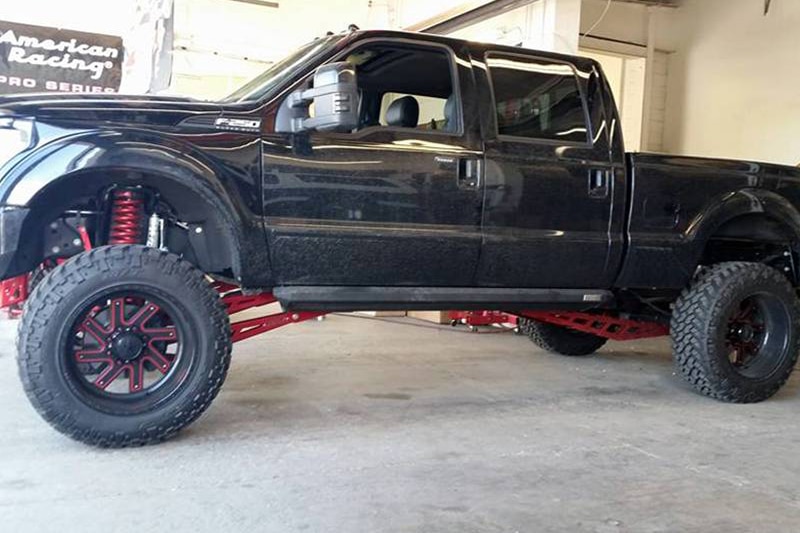
If you’re running a stock suspension, this might be the year to consider an upgrade. A lift kit does more than just give your truck a more commanding stance. It provides the ground clearance you need to tackle rocky sections without scraping your undercarriage on every boulder. At Jazz It Up in Denver, we carry lift kits from trusted manufacturers like Pro Comp, Superlift Suspension Systems, and Zone Off Road. Whether you want a modest 2-inch leveling kit or a full 6-inch lift, we can help you find the right setup for your driving style.
Don’t overlook your shocks, either. Upgrading to quality performance shocks from brands like Rancho or Skyjacker can dramatically improve how your truck handles rough terrain. These aren’t just about comfort, better shocks give you more control and help prevent bottoming out on big drops.
For trucks that pull double duty between daily driving and weekend trail runs, air suspension systems are worth considering. They let you adjust your ride height on the fly, giving you extra clearance when you need it and a smoother highway ride when you don’t.
Choose the Right Tires for Colorado Terrain
Tires are where the rubber literally meets the trail. The right set can mean the difference between crawling confidently over obstacles and spinning helplessly in a rut. Colorado’s diverse terrain, from loose shale to packed dirt to muddy creek crossings, demands tires that can handle it all.
Before shopping for new rubber, assess your current tires honestly. Check the tread depth (you want at least 6/32″ for serious off-road use), look for sidewall damage or dry rot, and make sure they’re properly rated for the weight of your rig plus any gear you’ll be carrying.
All-Terrain vs. Mud-Terrain Options
This is the eternal debate among off-roaders, and honestly, the right answer depends on how you use your truck.
All-terrain tires are the versatile choice. They offer a balanced tread pattern that performs reasonably well in most conditions, dirt, gravel, light mud, and even snow. They’re also quieter on the highway and typically last longer than more aggressive options. If your truck sees regular street duty and occasional trail weekends, all-terrains are probably your best bet.
Mud-terrain tires feature deeper, more aggressive tread lugs designed to dig into soft surfaces and self-clean. They excel in muddy conditions and provide better grip on loose rocks. The trade-off? They’re louder on pavement, wear faster during highway driving, and can be harder to balance for a smooth ride.
For most Denver-area off-roaders, we typically recommend a quality all-terrain tire with aggressive sidewall protection. Colorado trails tend to be rockier than muddy, and sidewall punctures are one of the most common trail-ending issues we see. Look for tires with reinforced sidewalls or dedicated off-road construction.
Whatever you choose, make sure your spare matches your other tires. Running a mismatched spare can cause differential problems in 4WD mode, and that’s the last thing you want miles from the nearest road.
Check and Protect Your Undercarriage
Colorado trails aren’t forgiving. One wrong line over a rock garden can leave you with a cracked oil pan, a damaged transmission case, or worse. Before the season starts, get under your truck and inspect everything.
Look for existing damage first, dents, scrapes, or cracks in your oil pan, transmission housing, and fuel tank. Check your exhaust system for loose hangers or components that might snag on obstacles. Inspect your brake lines and any low-hanging wiring for abrasion or wear.
While you’re down there, clean out any accumulated mud, debris, or road salt from the winter months. This stuff traps moisture against metal surfaces and accelerates corrosion. A pressure washer and some degreaser will go a long way toward extending the life of your undercarriage components.
Skid Plates and Differential Guards
If you’re serious about trail riding, skid plates aren’t optional, they’re essential. These metal shields bolt to your frame and protect vital components from impacts.
At minimum, you’ll want protection for your oil pan and transmission. Many off-roaders also add skid plates for the transfer case and fuel tank. Differential guards (sometimes called diff covers) protect your front and rear axle housings from rock strikes.
Skid plates come in steel and aluminum. Steel is heavier but tougher and cheaper. Aluminum saves weight but costs more and can crack under extreme impacts rather than just denting. For most recreational off-roaders, steel plates offer the best value.
Don’t forget about your steering components. A bent tie rod or damaged steering linkage can strand you on the trail just as effectively as a holed oil pan. Steering skid plates or guards are worth the investment if you’re tackling technical terrain.
Service Your Drivetrain and Fluids
Off-roading puts unique stress on your drivetrain. The combination of low-speed, high-torque operation and constant engagement of your 4WD system demands that everything be in top condition. Now’s the time for a comprehensive fluid service.
Start with your differentials. Front and rear diff fluid breaks down faster under off-road conditions, and contaminated fluid can lead to premature gear wear or even failure. If you’ve been running trails regularly, consider changing your diff fluid every season regardless of mileage.
Your transfer case deserves the same attention. This is the component that splits power between your front and rear axles, and it works hard on the trail. Check your fluid level and condition, and change it if it’s dark or smells burnt.
Transmission and engine oil are obvious, but don’t skip the inspection. Off-road driving can introduce contaminants through breather tubes, especially if you’ve done any water crossings. If your fluids look milky or contaminated, change them immediately, water in your drivetrain will cause serious damage fast.
Brake fluid absorbs moisture over time, which lowers its boiling point. Repeated hard braking on descents can overheat degraded fluid and cause brake fade. A brake fluid flush before the season ensures you’ll have full stopping power when you need it.
Finally, check your coolant. Denver’s altitude means your engine already runs hotter than it would at sea level. Add the slow-speed crawling typical of trail riding (where there’s minimal airflow through your radiator), and overheating becomes a real concern. Make sure your cooling system is in good shape and your coolant is fresh.
Prepare Your Recovery and Safety Gear
Here’s a reality check: if you’re doing real off-roading, you’re going to get stuck eventually. It happens to everyone. The question isn’t whether it’ll happen, but whether you’ll be prepared when it does.
Every off-road rig should carry basic recovery gear. At minimum, you need:
- A recovery strap or kinetic rope – These stretch under load and provide a gentler pull than static straps. Never use tow straps with metal hooks for vehicle recovery: they can become dangerous projectiles if they snap.
- Shackles – Rated, soft shackles or D-ring shackles for connecting recovery straps to your vehicle’s recovery points.
- A shovel – Sometimes the best way out is to dig yourself out.
- Traction boards – These can get you moving when you’re high-centered or stuck in soft ground.
If you’re venturing into more remote areas, consider adding a winch to your setup. A good winch can extract your truck from situations that would otherwise require a tow vehicle. Just make sure you also carry the accessories, tree saver straps, gloves, and a snatch block for redirecting pulls.
Safety gear goes beyond recovery equipment. Pack a first aid kit, a fire extinguisher rated for automotive use, and basic tools for trailside repairs. A tire plug kit and portable air compressor are invaluable for dealing with punctures. And don’t forget water, food, and warm clothing, Colorado weather can change fast, and cell service is spotty at best in the backcountry.
At Jazz It Up, we can help you set up your truck with proper recovery points, roll bars for added protection, and other safety accessories. Having the right mounting points isn’t just convenient, it’s essential for safe recovery operations.
Address Altitude and Weather Considerations
Off-roading in Denver isn’t quite like off-roading anywhere else. Our altitude creates unique challenges that flatlanders don’t have to worry about.
First, there’s the engine performance factor. At 5,280 feet (and much higher on most trails), your engine produces less power because the air is thinner. Naturally aspirated engines can lose 3-4% of their power for every 1,000 feet of elevation gain. If you’re already noticing your truck feels sluggish, this effect only gets worse as you climb into the mountains. Modern fuel-injected vehicles compensate somewhat, but you’ll still feel the difference.
Turbocharged and supercharged engines handle altitude better because they force more air into the combustion chamber. If you’re considering performance upgrades, this is worth keeping in mind.
Then there’s the weather. Colorado mountain weather is notoriously unpredictable. We’ve seen sunny mornings turn into afternoon thunderstorms with hail, and spring trails can go from dry to snowpacked as you gain elevation. Always check the weather before heading out, and be prepared to turn around if conditions deteriorate.
Temperature swings affect your truck too. Morning cold means your tires will be at lower pressure than they will be after driving in afternoon heat. Check your tire pressure at your intended trail pressure before you start, don’t just air down to a number and forget about it.
Window tint might seem like a cosmetic upgrade, but at altitude, UV exposure is significantly higher. Protecting your interior (and yourself) from sun damage is practical, not just aesthetic. At Jazz It Up, we’re a 3M Window Tint center and can custom-fit any truck with tint that blocks harmful UV rays while keeping you cooler on those high-altitude trail days.
Conclusion
Prepping your truck for off-roading season takes some effort, but it’s effort that pays off in reliability, safety, and peace of mind on the trail. A well-prepared rig lets you focus on the experience instead of worrying about whether your equipment is up to the task.
We get it, not everyone has the time, tools, or expertise to handle all this prep work themselves. That’s where we come in. At Jazz It Up in Denver, we specialize in getting trucks and SUVs trail-ready. From suspension upgrades and lift kits to protective accessories and performance parts, we carry products from all the major manufacturers and have the experience to install them right.
Whether you need a full build-out or just want a professional inspection before the season starts, stop by our shop in Centennial. We’ll help you make sure your truck is ready for whatever Colorado’s trails throw at you.
The mountains are calling. Let’s make sure your truck is ready to answer.