
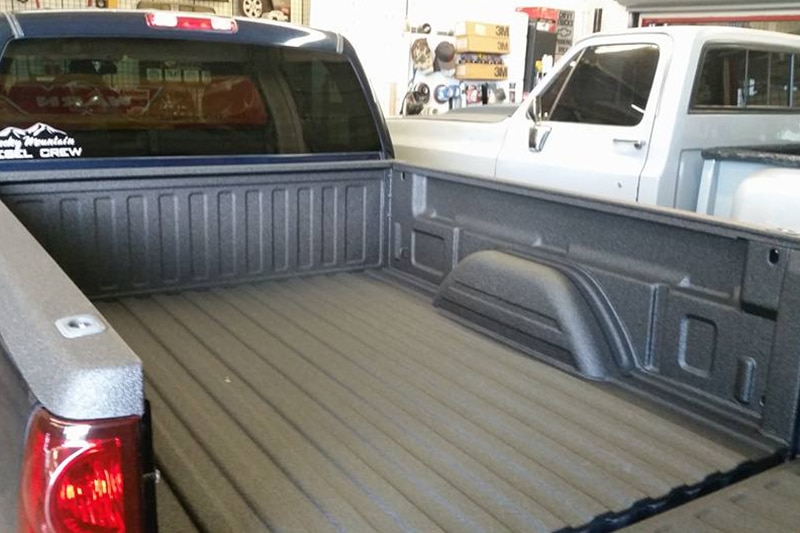
Your truck bed takes a beating. Whether you’re hauling landscaping supplies, loading up camping gear, or tossing tools in back after a job, that exposed metal is vulnerable to scratches, dents, rust, and UV damage. A quality truck bed liner isn’t just an accessory, it’s essential protection that keeps your vehicle looking sharp and maintains its resale value. Here in Centennial, we see trucks used hard year-round, from dusty summer projects to snowy winter hauls. That’s why we’ve put together this guide to help you understand your options and choose the right liner for your needs.
Why Your Truck Bed Needs a Quality Liner
Think about everything your truck bed endures. Heavy toolboxes sliding around, gravel scraping across the surface, moisture pooling after a rainstorm, it all adds up. Without protection, you’re looking at corrosion, paint damage, and a truck that looks years older than it actually is.
A durable bed liner creates a barrier between your cargo and the truck’s metal surface. This means scratches and dings stay on the liner instead of permanently damaging your vehicle. But protection goes beyond cosmetics. Rust is the real enemy here. Once corrosion starts eating through your truck bed, repair costs climb quickly, and in severe cases, you’re looking at structural issues.
There’s also the grip factor. Factory truck beds are slippery, especially when wet. A textured liner keeps cargo from shifting during transport, which means fewer damaged goods and safer driving. And let’s be honest: trucks that look well-maintained command better prices when it’s time to sell or trade in.
For Centennial truck owners dealing with Colorado’s mix of snow, salt, and intense summer sun, a liner isn’t optional, it’s smart vehicle maintenance.
Types of Truck Bed Liners and How They Compare
Not all bed liners are created equal. The two main categories, spray-on and drop-in, each have distinct advantages depending on how you use your truck and what you’re willing to invest.
Spray-On Liners
Spray-on liners are applied directly to your truck bed, creating a permanent, custom-fit coating that bonds to the metal. This seamless application means no gaps where water or debris can sneak underneath and cause hidden damage.
The textured surface provides excellent grip, and you can choose from various thicknesses depending on how heavy-duty you need the protection. Most spray-on liners also include UV inhibitors, so they won’t fade or chalk in the intense Colorado sun. They’re lightweight too, typically adding only 40-50 pounds versus significantly more for drop-in alternatives.
The downside? Professional application is essential for quality results, and you can’t remove it if you change your mind. But for most truck owners, that permanence is actually a benefit.
Drop-In Liners
Drop-in liners are pre-formed plastic shells that fit into your truck bed. They’re generally less expensive upfront and can be installed quickly, sometimes in under an hour.
These liners offer solid impact protection and can be removed if needed. But, they come with trade-offs. They don’t fit as precisely as spray-on options, which means dirt, water, and debris can work their way underneath. This trapped moisture can actually accelerate rust, the exact problem you’re trying to prevent.
Drop-ins also tend to be heavier and may shift slightly during use, potentially scratching your truck bed over time. They work well for occasional hauling but might not hold up as long under heavy daily use.
Choosing the Right Liner for Your Needs in Centennial
Selecting the right bed liner comes down to how you actually use your truck. Ask yourself a few questions: How often do you haul cargo? What kind of materials are you loading? And how long do you plan to keep this vehicle?
If you’re a contractor tossing lumber, tools, and equipment in your bed daily, a thick spray-on liner makes the most sense. The seamless protection handles abuse without exposing your truck to moisture damage. Weekend warriors who occasionally haul might find a drop-in sufficient for their needs.
Centennial’s climate matters too. Our winters bring snow, ice, and road salt, all of which accelerate corrosion. A spray-on liner’s tight seal keeps these elements away from your truck’s metal. Summer brings its own challenges with UV exposure that can crack and fade inferior liners.
At Jazz It Up in Centennial, we help customers match their liner choice to their lifestyle. Maybe you need maximum protection for heavy commercial use, or perhaps you want something that complements your tonneau cover and other accessories. We carry quality products and can walk you through the pros and cons of each option based on your specific situation.
Consider your budget, but think long-term. A cheaper liner that fails in two years costs more than a quality one that lasts the life of your truck.
Professional Installation vs. DIY Options
You’ll find plenty of DIY bed liner kits at auto parts stores, typically roll-on or brush-on products that promise professional results at a fraction of the cost. And sure, they’re cheaper, but the results rarely compare.
Professional spray-on application uses specialized equipment that creates an even, properly bonded coating. The surface prep alone makes a huge difference: thorough cleaning, sanding, and priming ensure the liner adheres correctly and won’t peel or flake. Try replicating that with a brush and roller, and you’re likely to end up with uneven coverage, thin spots, and a finish that looks… well, homemade.
DIY products also tend to use thinner formulations that don’t offer the same impact resistance or durability. A rock bouncing around your bed can chip right through to bare metal.
When you bring your truck to professionals like us at Jazz It Up, you’re getting proper equipment, experienced technicians, and quality materials. We prep the surface correctly, apply the liner evenly, and ensure proper curing time. The result is a finish that actually protects your investment rather than just looking okay for a few months.
Drop-in liners are more DIY-friendly since they’re pre-formed, but even these benefit from professional fitting to ensure proper placement and drainage.
Maintaining Your Truck Bed Liner for Long-Term Protection
Once your liner is installed, keeping it in good shape is straightforward. Regular cleaning prevents dirt, chemicals, and debris from breaking down the material over time.
For spray-on liners, a simple rinse with water handles most dirt. For stubborn grime, use mild soap and a soft brush, nothing abrasive that could damage the textured surface. Avoid harsh chemicals like bleach or petroleum-based solvents, which can degrade the liner material.
Drop-in liners require a bit more attention. Periodically remove the liner completely and clean both the liner and the truck bed underneath. This prevents moisture and debris from getting trapped and causing the corrosion you installed the liner to prevent.
Inspect your liner regularly for damage. Small cracks or chips in spray-on liners can often be touched up before they become bigger problems. Drop-in liners that crack or warp should be replaced before they stop providing adequate protection.
UV exposure fades all liners eventually, though quality spray-on products with UV inhibitors hold up longer. Some owners apply UV protectant periodically to extend their liner’s appearance.
With basic care, a quality bed liner should last for years, protecting your truck through countless loads and all four Colorado seasons.
Conclusion
Your truck works hard, and it deserves protection that keeps up. Whether you choose a permanent spray-on liner or a removable drop-in, the right bed liner saves you from costly repairs and keeps your vehicle looking its best. Stop by Jazz It Up in Centennial to explore your options, we’ll help you find the perfect liner for how you actually use your truck. Your bed will thank you.